">"> A box full of viruses and bacteria has completed its return trip to the International Space Station, and the changes these ‘bugs’ experienced in their travels could help us Earthlings tackle drug-resistant infections.
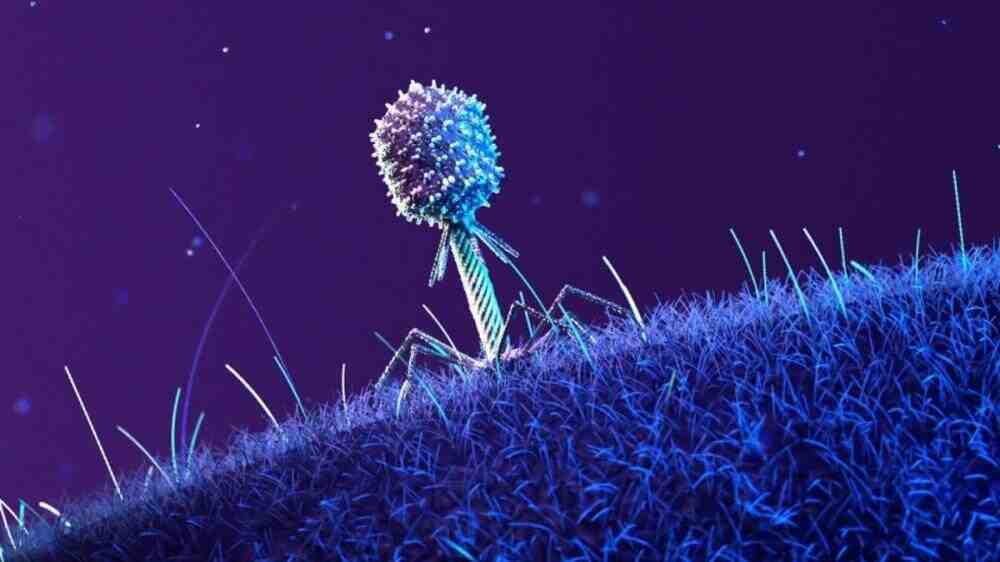
A team of researchers from the University of Wisconsin-Madison and US biotech company Rhodium Scientific Inc. pitted Escherichia coli bacteria against its viral arch-nemesis, the T7 bacteriophage. This pair has been locked in an evolutionary ‘arms race’ for as long as we’ve been looking, but never in microgravity – until they were sent to the ISS in 2020.
Related: The ISS Has a Hygiene Problem, But It’s Not What You’d Think
Scientists aboard the space station incubated different combinations of bacteria and phages for 25 days, while the research team led by biochemist Vatsan Raman carried out the same experiments in Madison, down here on Earth.
 frameborder=”0″ allow=”accelerometer; autoplay; clipboard-write; encrypted-media; gyroscope; picture-in-picture; web-share” referrerpolicy=”strict-origin-when-cross-origin” allowfullscreen>
“Space fundamentally changes how phages and bacteria interact: infection is slowed, and both organisms evolve along a different trajectory than they do on Earth,” the researchers explain.
In the weightlessness of space, bacteria acquired mutations in genes involved in the microbe’s stress response and nutrient management. Their surface proteins also changed. After a slow start, the phages mutated in response, ...
The team found that certain space-specific phage mutations were especially effective at killing Earth-bound bacteria responsible for urinary tract infections (UTIs). More than 90 percent of the bacteria responsible for UTIs are antibiotic-resistant, making phage treatments a promising alternative.
“By studying those space-driven adaptations, we identified new biological insights that allowed us to engineer phages with far superior activity against drug-resistant pathogens back on Earth,” the researchers say.
The research was published in PLOS Biology.